Parents ask about fluoride almost every day, and the questions are thoughtful: Is a varnish necessary if my child uses a fluoride toothpaste? How do rinses fit in? What about risk for fluorosis? The short answer is that both office and at‑home fluoride options help prevent cavities, but they don’t do the same job, and they aren’t interchangeable for every child. The longer answer, the one that leads to confident decisions, sits at the intersection of a child’s cavity risk, age, home care, and the practical realities of family life.
I have treated toddlers who sip juice all day, kindergarteners with tight contacts that trap food, and teens in braces trying to floss between practice and homework. Fluoride isn’t a one-size tool. It is a set of tools, and the craft lies in choosing the right combination for a specific mouth at a specific stage.
What fluoride actually does in kids’ teeth
Cavities form when acid from bacteria and sugars dissolves minerals out of enamel. Fluoride counteracts that cycle. It supports remineralization, lowers the enamel’s critical pH, and makes the surface more resistant to future acid attacks. It also affects bacterial metabolism, nudging the biofilm toward a less cariogenic state. This is not theory; it’s terrain we see chairside. Early white spot lesions on front teeth can stabilize or even fade with consistent fluoride exposure and improved diet.
The crucial distinction is between topical and systemic effects. For children, we focus on topical exposure. Fluoride’s benefit comes from frequent, low‑dose contact with the tooth surface. That is why daily toothpaste use is foundational. Office treatments add a sustained, higher-concentration boost, especially valuable for kids with moderate to high cavity risk.
The office side: varnishes, gels, foams, and how they differ
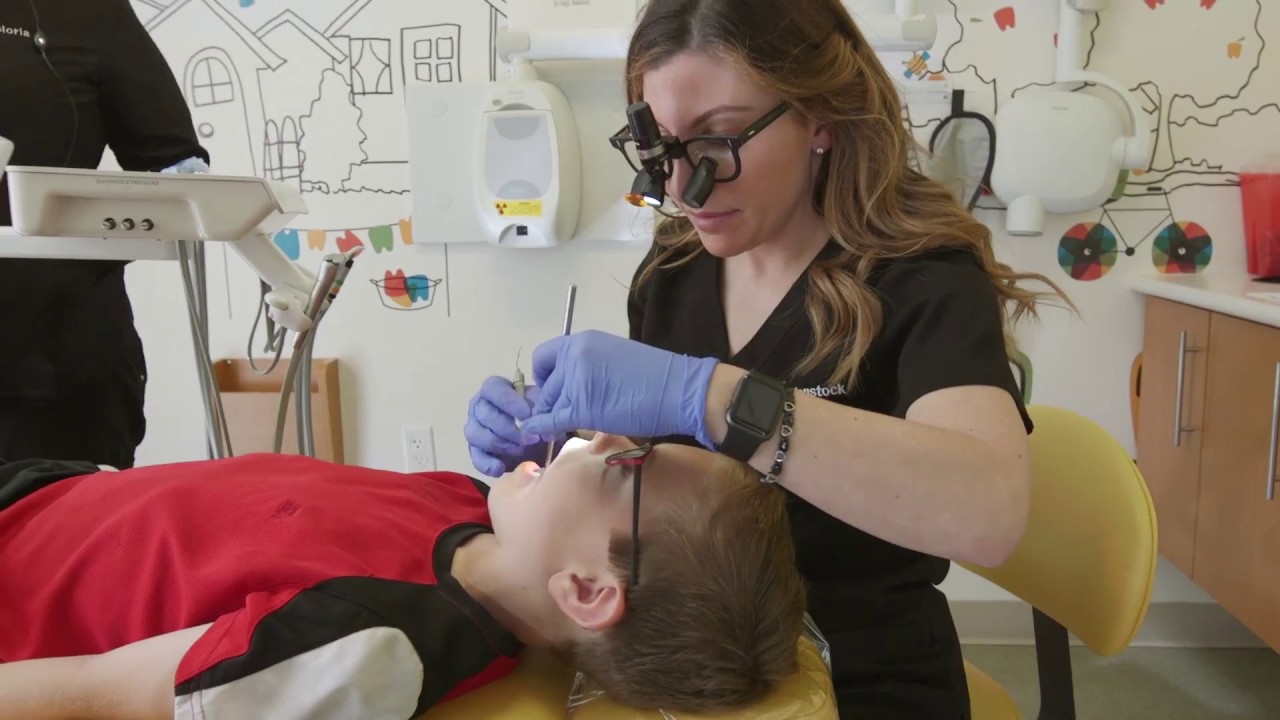
Modern pediatric dental practices gravitate toward fluoride varnish because it fits teeth and schedules. A pediatric dentist can apply varnish quickly, even on a squirmy toddler. The sticky resin sets on contact with saliva, releasing fluoride slowly for hours. Children can leave immediately, no trays or suction lines needed, and there is minimal risk of swallowing a large dose.
Gels and foams still have a place, most often with older children and teens. They sit in trays for a few minutes, then we suction thoroughly. These products deliver a high-concentration bath in a short time. They are less forgiving for children with a strong gag reflex or limited cooperation. In our pediatric dental clinic, varnish accounts for the majority of professional applications simply because it meets kids where they are.
Professional fluoride isn’t a magic shield that lasts six months. Think of it as a nudge in the right direction, a high‑yield deposit into a bank account that also needs regular small deposits from toothpaste at home. For children with frequent snacking, visible plaque, tight crowding, enamel defects, early childhood caries, or orthodontic appliances, that nudge can be the difference between watching and drilling at the next pediatric dental checkup.
The at‑home side: toothpaste, rinses, and where prescriptions fit
Toothpaste is the backbone. Twice a day, every day, with the right amount, moves the needle on cavity risk more than any other single habit. In the preschool years, dose matters because of swallowing. We instruct parents to smear a rice‑sized amount for children under 3 and a pea‑sized amount from roughly age 3 to 6. That guideline balances effectiveness with safety. Past the early grade‑school years, a slightly larger pea for bigger mouths is reasonable, but you still only need a thin ribbon.
Rinses are a second‑line tool. Over‑the‑counter fluoride mouthrinse, used once at night, helps school‑age children and teens who are cavity‑prone, wear braces, or can’t brush after sports snacks. It only works if the child can reliably swish and spit. For kids who tend to swallow toothpaste, a rinse is not appropriate.
Prescription toothpaste, typically 5,000 ppm fluoride, changes outcomes for high‑risk adolescents and some older children with special needs or dry mouth from medications. It’s not for toddlers or early elementary ages. When we prescribe it, we also review brushing technique and frequency, because even the strongest toothpaste cannot overcome a haphazard routine.
Safety, fluorosis, and dose discipline
Most parents have heard of fluorosis, the cosmetic change in enamel that happens if too much fluoride is ingested while teeth are forming. Mild fluorosis shows up as faint white flecks or streaks. In our practice, true fluorosis is uncommon when families follow dosing guidance and keep toothpaste out of reach of very young children. The rare cases we see are typically tied to unsupervised toothpaste swallowing over time or combined exposure from multiple sources at high levels.
The safest path is simple: supervise brushing until a child can tie their shoes neatly and spit on cue. Use the right amount of toothpaste, store it sensibly, and avoid layering multiple sources without guidance. If you have well water or rely on a private well, ask your pediatric dentist to test fluoride levels or coordinate with your pediatrician. If community water is not fluoridated, we may weigh supplements in certain cases, but for most families, topical strategies do the heavy lifting.
How we decide: risk assessment in real life
Every pediatric dental appointment should include a cavity risk conversation that goes beyond “floss more.” We look at previous decay, enamel quality, diet patterns, salivary flow, orthodontic plans, brushing habits, and caregiver engagement. We also ask about bedtime routines, because a bottle or nursing right before sleep without a cleaning afterward changes the calculus dramatically.
A toddler with no cavities, fluoridated water, and supervised brushing may only need a fluoride varnish once or twice a year. A second grader with two new molars that are deep and groovy, a snack‑heavy schedule, and plaque at the gumline might benefit from varnish every three months plus a nightly rinse. A teenager in full orthodontic treatment with white spot lesions already forming is a strong candidate for periodic in‑office fluoride and a prescription toothpaste at home. None of these plans are forever. Risk evolves, and so should the regimen.
Office treatment mechanics parents appreciate
We coach children through varnish with a simple script. Teeth get a quick dry with gauze, the varnish goes on with a tiny brush, and chewing starts again right away. The coating can feel a bit fuzzy. We ask families to skip crunchy foods for the day and hold off on brushing until the next morning. It wears off naturally. If a child licks at it, no harm done.
For gels and foams, we measure carefully and limit the volume, then suction well. We recommend nothing to eat or drink for 30 minutes afterward to let the fluoride incorporate. Most children tolerate this easily by school age, but varnish still wins for toddlers and anxious kids who just want out of the chair.
If a child has sensory sensitivities or autism, predictability helps. We show the brush, let them touch the varnish packet, describe the taste, and count aloud during application. A special needs pediatric dentist or a kids dental specialist who uses visual schedules and desensitization can turn a potentially stressful step into a quick routine. For a subset of children with substantial anxiety, sedation pediatric dentist services might be considered for broader treatment needs, but fluoride application by itself rarely requires sedation.
At‑home routines that actually stick
Families do better with micro‑habits than with ambitious overhauls. Tether brushing to a fixed anchor like bedtime stories. Place toothbrushes and the pediatric fluoride toothpaste where kids can reach them, but keep large tubes out of sight for toddlers. Music timers keep older kids honest; younger ones respond to a parent brushing first, then handing over the brush for a “turn.” For teens, link nighttime brushing to phone charging. The charger lives in the bathroom, the brushing happens while the battery fills, and the device stays outside the bedroom when possible.
Rinse strategy works best with a clear rule: brush, spit, do not rinse with water, then use the fluoride rinse and spit again. That sequence leaves fluoride behind on the enamel. If the taste is a barrier, try a different flavor or switch to high‑fluoride toothpaste and drop the rinse entirely. One strong habit beats three inconsistent ones.
Where sealants fit into the fluoride discussion
Fluoride and sealants complement each other. Fluoride strengthens the enamel chemically, sealants create a physical barrier in the pits and fissures of molars where bacteria lodge. In our pediatric dental practice, sealants go on the permanent first molars soon after eruption, around ages 6 to 8, and on second molars a few years later. Kids who grind, have deep grooves, or struggle with hygiene benefit the most. Even with sealants, fluoride remains essential because grooves are not the only place cavities start. Smooth surfaces, along the gumline and between teeth, still need chemical support.
Common scenarios and how we adapt
A family moves to a new city with non‑fluoridated water. Their preschooler has clean exams so far, brushes twice daily with a smear, and snacks on fruit and cheese. We continue the current toothpaste routine, add professional varnish twice a year, and monitor. If plaque control slips or a white spot appears, we tighten to every three months.

A nine‑year‑old plays travel soccer, snacks in the car, and drinks sports beverages more often than water. There is early decalcification on the upper front teeth. We shift to water between meals, add a nightly fluoride rinse, and apply varnish at three‑month intervals until the white spots stabilize. We also involve the child directly in the plan, because buy‑in matters at this age.
A teen in braces has chalky spots on lower molars. We prescribe 5,000 ppm toothpaste for nightly use, apply varnish every three months, and show a quick disclosing solution in the office so the patient can see missed plaque. We set a two‑week check‑in by text through the pediatric dentist office to reinforce the routine. This combination often turns the tide within one to two months.
A toddler with early childhood caries needs multiple restorations. After treatment, we apply varnish at three‑month intervals, coach parents on an evening routine without bottles or sweetened milk, and move to a pea‑sized fluoride toothpaste as soon as the child can spit reliably. We also schedule shorter, more frequent pediatric dental cleanings to maintain momentum.
Cost, access, and how to think about value
Professional fluoride is one of the most cost‑effective services in pediatric dentistry. Many insurance plans categorize it as preventive, covered twice annually for children. Even when it is out‑of‑pocket, the fee is modest compared with the cost of a single filling or a crown, not to mention time away from school and work. That said, families should not feel pressured into extra frequency without a clear rationale. Ask your pediatric dental doctor to explain the specific risk factors driving the recommendation and how success will be measured.
At‑home costs vary. A standard fluoride toothpaste is inexpensive and powerful when used correctly. Prescription toothpaste costs more, but it is still a bargain for high‑risk patients compared with drilling and repairing damage. If you need an affordable pediatric dentist, call and ask how they structure preventive care and whether they have sliding fees or membership plans for regular checkups and varnishes. A trusted pediatric dentist will welcome that conversation.
What to ask during your child’s next visit
Here is a straightforward, five‑question checklist that helps parents cut through the jargon and shape a plan that fits:
- Based on my child’s history and today’s exam, is their cavity risk low, moderate, or high? How often should we schedule professional fluoride, and why that interval for my child? Is our toothpaste choice and amount appropriate for their age and risk? Would a rinse or a prescription toothpaste add value, or would it just complicate our routine? What two small changes at home would make the biggest difference before our next pediatric dental appointment?
Keep the answers handy. If the plan feels hard to maintain after a week, call the pediatric dental office and adjust. Consistency over months matters more than perfection for a day.
Sorting office vs. home: when each makes the biggest difference
Office fluoride earns its keep during transitions and challenges. Think new molars erupting through tender gums, orthodontic treatment, dry mouth from ADHD medications, or a stretch of fractured routines during sports season. In those windows, enamel is under extra stress. A varnish puts fluoride in contact long enough to tilt the balance back toward remineralization.
At‑home fluoride shines every single day. Twice‑daily brushing with the right dose of fluoride toothpaste is the constant that keeps the bacterial ecosystem in check. A rinse or prescription toothpaste is the lever to pull when daily habits are stable yet risk remains elevated.
When families try to choose one or the other, the result is usually less protection than the child needs. The better frame is both‑and, scaled to risk. Even the best pediatric dentist near me cannot compensate for haphazard home care, and even the most diligent parent cannot exactly replicate the sustained professional fluoride boost when a child’s enamel is under active attack.
Special situations: medical conditions, sensory needs, and anxiety
Children with asthma may use inhalers that dry the mouth or deliver medication sugars. Rinse with water afterward, then brush at night with a fluoride toothpaste. Kids on long‑term medications, especially those that reduce saliva, need closer fluoride support and more frequent pediatric dental checkups. Children with special health care needs might prefer unflavored toothpaste or lower‑foam formulas. For some, a silicone finger brush or an electric brush with a gentle start feature improves tolerance. A children dental specialist who regularly cares for kids with autism will adapt both office fluoride and the home plan, using shorter visits, visual stories, and stepwise desensitization.
Kids with dental anxiety deserve honest previews, choices when possible, and quick, predictable steps. A gentle pediatric dentist will demonstrate the varnish brush on a fingernail, count to five for each quadrant, and celebrate completion. We keep fluoride application near the start of the visit so, if attention wanes during the cleaning or exam, the highest‑value preventive step is already done.
How we measure success
Success shows up as stable enamel and quiet radiographs. White spot lesions lose their chalky look and pick up a healthy sheen. New molars erupt without stain creeping into the grooves. The interval between restorative needs stretches out. For families tracking closely, two to three months is often long enough to notice a change, especially with teens in braces. Over a year, the difference can be dramatic.
We also measure in small wins. A child who previously gagged during tray gel accepts varnish calmly. A parent who felt overwhelmed finds a two‑minute music routine that their kindergartener loves. A teen chooses water after practice instead of sports drinks. Each of these steps amplifies the chemistry of fluoride and builds a foundation for lifelong oral health.
Clear recommendations to take home
If your child is under six, supervise brushing and use fluoride toothpaste in the correct amount. Schedule regular pediatric dental exams, and consider professional varnish at least twice a year. If your child snacks frequently, has visible plaque, or has early white spots, ask about moving to every three months for a period of time.
If your child is school‑age, keep twice‑daily brushing non‑negotiable. Add a nightly rinse only if they can reliably spit and you want an extra edge. Seal permanent molars when they erupt. Coordinate with your kids teeth doctor to align varnish timing with eruption and New York any orthodontic start dates.
If your child is a teen, candidly discuss drinks, snacks, and schedule realities. For braces, strongly consider prescription toothpaste at night and varnish more frequently. Keep floss threaders or a water flosser next to the sink, not in a drawer. Celebrate consistent effort, not perfection.
And if you are sorting search results for the best pediatric dentist or a family pediatric dentist who fits your schedule, look for a pediatric dental practice that explains risk clearly, individualizes fluoride plans, and respects your child’s temperament. A board certified pediatric dentist or an experienced pediatric dentist will welcome your questions, offer practical advice, and adjust as your child grows.
The big picture is reassuring. Fluoride, used wisely at home and periodically in the office, is safe, affordable, and effective. Pair it with smart habits and routine pediatric dental care, and most children can navigate the cavity‑prone years with strong, comfortable teeth.